
CloudNetX
CompTIA CloudNetX validates your ability to design and implement secure, scalable networking solutions in hybrid environments. You’ll cover key areas like security design, network monitoring, performance optimization, and advanced troubleshooting, with hands-on skills such as Zero Trust implementation. This certification equips you with the expertise to advance your career as a network architect, security architect, or enterprise architect.
Skills Learned
- Analyze business requirements and design secure network architectures tailored for hybrid environments.
- Implement Zero Trust principles, configure access controls, and secure hybrid networks to enhance network security.
- Use tools to monitor network performance, automate tasks, and maintain reliable network environments for effective network monitoring and operations.
- Diagnose and resolve connectivity, performance, and security issues to troubleshoot hybrid networks effectively.
Exam Details
- Exam version: V1
- Exam series code: CNX-001
- Launch date: February 18, 2025
- Number of questions: maximum of 90, mix of multiple-choice and performance-based questions
- Length of test: maximum of 165 minutes
- Passing score: pass/fail only; no scaled score
- Languages: English
- Retirement: usually three years after launch
- Recommended experience: at least 10 years of IT experience, including 5 years in a network architect role, with hybrid cloud environments and foundational knowledge equivalent to Network+, Security+, and Cloud+
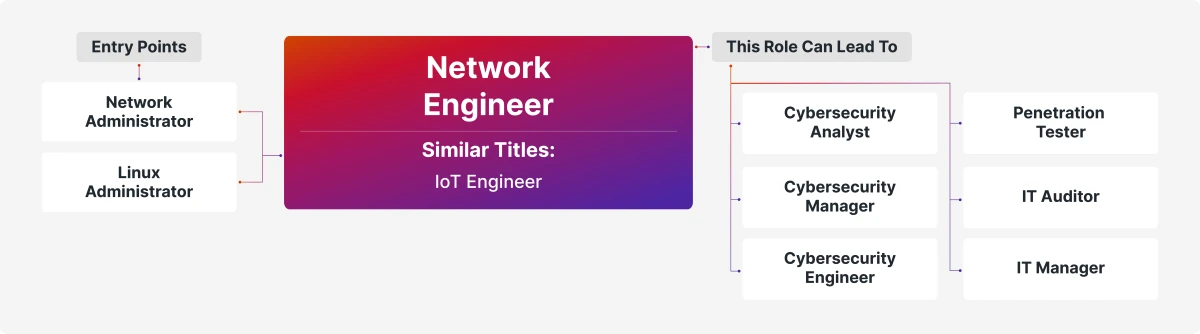
Career Path
Who Should Attend
Schedule Dates
Course Content
- Core networking concepts: applying IP addressing, routing protocols, network address translation (NAT), and networking protocols.
- Network architectures: designing and implementing mesh, star, and spine-and-leaf topologies.
- Hybrid connectivity: configuring virtual private networks (VPNs), software-defined wide area networks (SD-WAN), multiprotocol label switching (MPLS), and public cloud connections.
- Availability solutions: recommending load balancing, redundancy, autoscaling, and content delivery networks (CDNs).
- Campus installations: evaluating power, environmental factors, and physical access controls.
FAQs
The course equips IT professionals with advanced knowledge of cloud networking, hybrid infrastructures, and secure connectivity between on-premises and cloud environments.
Flexible Training Options to Meet Your Needs
We know the importance of flexibility in the success of learning and professional development. This is the reason CounselTrain provides a variety of delivery options for all IT training offered in the UAE to ensure access and convenience for each learner.

Online Instructor-Led Training
Learn from the comfort of your workplace or at home through live virtual sessions led by expert trainers.